Compact Hybrid SUV Comparison
2026 Jeep Cherokee vs Subaru Forester Hybrid
Two standard-AWD hybrid crossovers for New Hampshire Seacoast drivers, compared on power, towing, efficiency, technology, and price. The Cherokee answers with 210 horsepower and a 3,500-pound tow rating; the Forester Hybrid answers with extra ground clearance and Subaru's full-time mechanical all-wheel drive. Here is how they actually line up.
The compact hybrid SUV class is crowded, but for shoppers across the NH Seacoast it often narrows to a short list. The reborn 2026 Jeep Cherokee and the Subaru Forester Hybrid both arrive with standard all-wheel drive and a no-plug gas-electric powertrain, yet they aim at the buyer from different angles. The Cherokee leads with capability: 210 system horsepower, 230 lb-ft of torque, and a 3,500-pound towing rating that doubles what most Foresters can pull. The Forester counters with Subaru's signature ride height and traction hardware.
Jeep Portsmouth sells the Cherokee, not the Subaru, so treat this as an honest scorecard rather than a neutral one. Where the Forester earns a win, we say so. The goal is to help you decide which of these two fits your driving, then come drive the one that does. You can browse our Cherokee inventory or read the full Cherokee research hub any time.
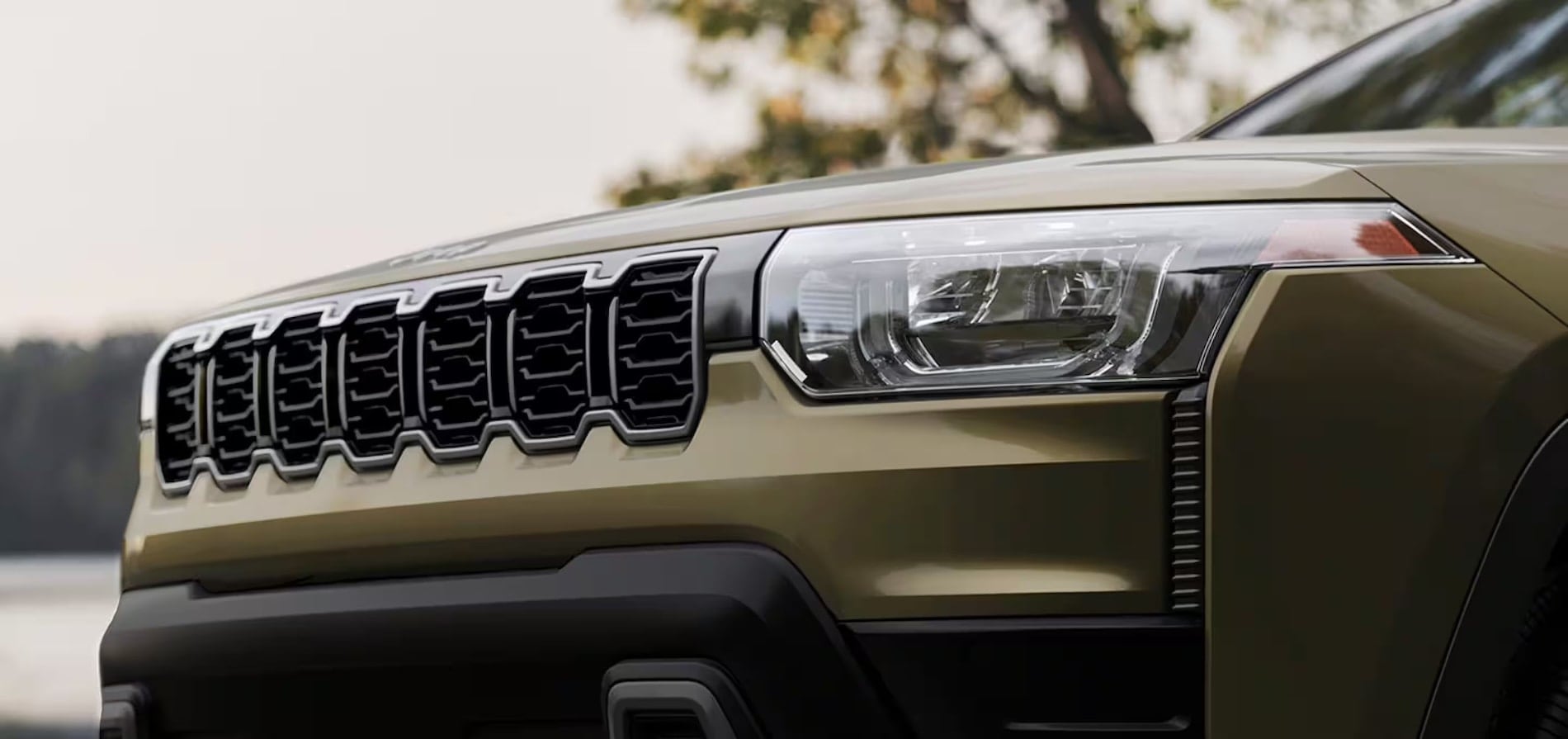
The Jeep
2026 Jeep Cherokee Overview
After a two-year absence, the Cherokee returns for 2026 as a hybrid-only model on a larger platform. Every Cherokee pairs a 1.6-liter turbocharged four-cylinder with two electric drive motors and an eCVT for a combined 210 horsepower and 230 lb-ft of torque, with four-wheel drive standard across the lineup. It is rated at 37 mpg combined (39 city / 35 highway, manufacturer estimate) and tows up to 3,500 pounds when properly equipped, an unusually high figure for a compact hybrid. Inside, a 12.3-inch touchscreen and a 10.25-inch digital driver display are standard on every Cherokee. The lineup runs Cherokee, Laredo, Limited, and Overland, from $36,995 to $44,995 including the $1,995 destination charge. For the full breakdown, see our Cherokee specs page.
The Subaru
2026 Subaru Forester Hybrid Overview
The Forester Hybrid joined Subaru's redesigned sixth-generation Forester for 2025 and carries into 2026. It uses a 2.5-liter Boxer four-cylinder in a series-parallel hybrid system for a combined 194 horsepower, driving all four wheels through a CVT and Subaru's full-time Symmetrical All-Wheel Drive, standard on every trim. EPA estimates are 35 mpg combined (35 city / 34 highway), with up to 581 miles of total range and 8.7 inches of ground clearance. An 11.6-inch touchscreen with wireless Apple CarPlay and Android Auto and the EyeSight driver-assist suite are standard across the Forester Hybrid lineup. The hybrid is offered in four trims, Premium, Sport, Limited, and Touring, starting at $34,730 before destination. It is a capable, well-proven crossover, and Subaru's resale and longevity record is among the best in the segment.
Jeep Cherokee, in one line
More power, more than double the towing, a slightly higher mpg rating, and the larger standard screens of the two. The capability-first hybrid.
Forester Hybrid, in one line
More ground clearance, full-time mechanical AWD, the longest range, and a slightly lower entry price. The traction-and-reputation pick.
Powertrain
Powertrain and Capability Comparison
Both are standard-AWD hybrids you never plug in. The Cherokee's advantage is output and pulling power; the Forester's is its mechanical AWD hardware and ride height.
| 2026 Jeep Cherokee | 2026 Subaru Forester Hybrid |
|---|
| Hybrid system | 1.6L turbo I4 + 2 electric motors, eCVT | 2.5L Boxer I4 hybrid, CVT |
| Combined horsepower | 210 hp | 194 hp |
| Torque | 230 lb-ft | 154 lb-ft (gas engine) |
| Fuel economy (combined) | 37 mpg (39/35) | 35 mpg (35/34) |
| Total range | About 500 miles | Up to 581 miles |
| Max towing | 3,500 lb | 1,500 lb |
| Drive system | Standard 4WD (hybrid e-AWD) | Standard full-time Symmetrical AWD |
| Ground clearance | 8.0 in | 8.7 in |
The towing gap is the headline. Jeep rates the Cherokee at 3,500 pounds properly equipped, while Subaru rates the Forester Hybrid at 1,500 pounds (the 3,500-pound figure belongs to the gas-only Forester Wilderness, not the hybrid). For a small camper, a pair of PWCs, or a loaded utility trailer, that difference decides the question. The Cherokee also edges the Forester on combined mpg and system power. The Forester gives ground clearance and total range back, and its full-time mechanical AWD, with a real driveshaft and rear differential, is a hardware story Subaru buyers value. For a deeper look at how the Cherokee handles slick ramps and unplowed back roads, see our Cherokee off-road capability page.
Inside
Interior and Technology Comparison
On screens and digital instrumentation, the Cherokee has the clearer edge. Across the lineup it comes standard with a 12.3-inch center touchscreen and a 10.25-inch reconfigurable digital gauge cluster. Every Forester Hybrid runs a standard 11.6-inch portrait touchscreen but keeps largely traditional analog gauges with a small information display between them, a deliberately conventional layout some drivers prefer and others find dated.
Cargo is closer than the raw numbers first suggest. Behind the rear seats the Cherokee offers 33.6 cubic feet to the Forester Hybrid's 27.5, a real everyday advantage for groceries, gear, and strollers. Fold both rows and they essentially tie: 68.3 cubic feet in the Cherokee, 69.1 in the Forester. The Forester's tall, square cargo opening and low load floor remain among the easiest to load in the class. Both seat five, and both bundle a standard driver-assistance suite across their lineups. See how the Cherokee's hold stacks up in detail on our Cherokee cargo space page.
Pricing
Pricing and Value
On the same basis (before destination), the two start within a few hundred dollars of each other. The Forester Hybrid Premium opens at $34,730, the Cherokee at $35,000, so the Subaru is marginally cheaper to get into. Add Jeep's $1,995 destination charge and the Cherokee lists at $36,995; the Forester Hybrid's window sticker lands close behind once Subaru's destination fee is added.
What the Cherokee gives for the small premium is standard content. Its base trim includes the 12.3-inch touchscreen, the digital cluster, 18-inch wheels, and active-safety technology that competitors often reserve for higher trims. The Forester Hybrid's value case is different and equally real: a strong reputation for resale and longevity (Subaru reports 96% of its vehicles from the last decade are still on the road) plus a 5-Star overall NHTSA safety rating. If you keep vehicles a long time, that track record is worth weighing. Run the numbers your way with our financing and pre-approval tools.
The Case for the Jeep
Where the 2026 Cherokee Wins
- Towing. 3,500 pounds versus 1,500. The Cherokee pulls more than double what the Forester Hybrid can, the most consequential practical difference between them.
- Power and torque. 210 hp and 230 lb-ft versus 194 hp. The Cherokee feels stronger merging onto I-95 and climbing grades with a load.
- Fuel economy. 37 mpg combined to the Forester's 35. A modest but real edge that adds up over a long ownership.
- Standard screens. A 12.3-inch touchscreen and a 10.25-inch digital cluster, both standard, against the Forester's 11.6-inch screen and analog gauges.
- Everyday cargo. 33.6 cubic feet behind the rear seats versus 27.5, more usable room for daily hauling without folding anything down.
- Content for the money. The base Cherokee bundles tech and safety features the Forester often charges up for, narrowing the entry-price gap to near zero on a like-for-like basis.
The Case for the Subaru
Where the Forester Hybrid Wins
- Ground clearance and AWD hardware. 8.7 inches versus 8.0, plus full-time mechanical Symmetrical AWD with a physical driveshaft and rear differential. For deep snow and unplowed roads, that combination is a genuine strength.
- Total range and entry price. Up to 581 miles between fill-ups against the Cherokee's roughly 500, and a starting MSRP a few hundred dollars lower before destination.
- Reputation. Subaru's resale values and long-term reliability record are among the best in the class, and the Forester Hybrid carries a 5-Star NHTSA overall rating.
The Verdict
Which Should You Choose?
For most Seacoast shoppers cross-shopping these two, the Cherokee is the stronger all-rounder. Choose the 2026 Jeep Cherokee if you ever tow a trailer, boat, or pair of PWCs, if you want the most power and the largest standard screens, if a small mpg edge matters, or if you simply want more usable cargo behind the back seat day to day. It does the typical compact-hybrid job and then keeps going where the Forester taps out, which is towing and outright capability.
Choose the Subaru Forester Hybrid if your priority is deep snow and rough unplowed roads, where the extra ground clearance and full-time mechanical AWD earn their keep, or if maximum range, a slightly lower entry price, and Subaru's long-haul resale and reliability reputation sit at the top of your list. That is a real and specific buyer. For most everyone else weighing the two, the Cherokee covers more ground. See how it also compares against the Toyota RAV4 Hybrid and the Honda CR-V Hybrid.
Drive One
Test Drive the Cherokee at Jeep Portsmouth
The cleanest way to settle a comparison is from the driver's seat. Jeep Portsmouth at 2355 Lafayette Road in Portsmouth, NH stocks the 2026 Cherokee and serves drivers from Newington, Greenland, Rye, and across the Great Bay area. We can line up a Cherokee for you to drive, walk through the trims, and pull current incentives. Call us at (603) 431-8900, check live Cherokee inventory, or compare the Cherokee trims before you visit. If you are trading in your current SUV, get a number first with our value-your-trade tool.
Questions
Cherokee vs Forester Hybrid FAQs
Is the 2026 Jeep Cherokee or the Subaru Forester Hybrid better for towing?
The Cherokee tows far more. It is rated at 3,500 pounds when properly equipped, versus 1,500 pounds for the Forester Hybrid. The Forester's 3,500-pound rating applies only to the gas-only Wilderness trim, not the hybrid. If you tow a small camper, boat, or utility trailer, the Cherokee is the clear choice.
Does the 2026 Jeep Cherokee get better gas mileage than the Forester Hybrid?
On combined mpg, yes. The Cherokee is rated at 37 mpg combined to the Forester Hybrid's 35. The Forester does deliver more total range, up to 581 miles versus about 500 for the Cherokee, because of its larger fuel tank. Both are no-plug hybrids that never need to be charged.
Do both the Cherokee and Forester Hybrid come with all-wheel drive?
Yes, both come with standard all-wheel drive. The Forester Hybrid uses Subaru's full-time Symmetrical All-Wheel Drive, a mechanical system with a physical driveshaft and rear differential. The Cherokee pairs standard four-wheel drive with its hybrid system. For deep snow and unplowed roads, the Forester's extra 8.7 inches of ground clearance is a real advantage.
Which is cheaper, the 2026 Cherokee or the Forester Hybrid?
They start within a few hundred dollars of each other. The Forester Hybrid opens at $34,730 before destination and the Cherokee at $35,000, so the Subaru is marginally cheaper to start. The Cherokee includes more standard technology and safety equipment at its base price, which narrows the real-world gap.
How much cargo space does each SUV have?
The Cherokee offers 33.6 cubic feet behind the rear seats and 68.3 cubic feet with the rear seats folded. The Forester Hybrid offers 27.5 cubic feet behind the rear seats and 69.1 cubic feet folded. The Cherokee has more everyday room behind the back seat, while the two are essentially tied for maximum cargo volume.
Ready to compare them in person?
See the 2026 Jeep Cherokee at Jeep Portsmouth on Lafayette Road, serving the NH Seacoast from Newmarket and Lee to North Hampton. Browse inventory, get pre-approved, or schedule a drive.
Explore the Cherokee Research Hub